MSI PRO B850M-A WiFi

Bottom Line
The correct board for a budget build on AM5. It keeps PCIe 5.0 on the GPU slot and adds WiFi 7, and gives up VRM headroom a budget build doesn't need anyway, in exchange for real savings.
Pros & Cons
✅ Pros
- Real cost savings over X870/B850 EDGE TI WiFi with no meaningful downside for a budget build
- PCIe 5.0 x16 on the main slot, same generation as pricier boards
- WiFi 7 and 5G LAN built in, no separate networking card needed
- Micro-ATX form factor fits more case options than full ATX
- DDR5 support, current AM5 socket with the same CPU compatibility as pricier boards
❌ Cons
- Simpler VRM: not built for a flagship, high-power-draw CPU
- Fewer M.2 slots and USB ports than the premium boards in this roundup
- Secondary expansion slot is PCIe 4.0, not 5.0
Best For
- Budget builds pairing a mid-range CPU, not a flagship X3D chip
- Anyone who wants AM5's upgrade runway without paying premium-chipset prices now
- Not the pick for a high-end build: the VRM isn't built for a power-hungry flagship CPU
Performance & Real-World Usage
Specifications
This is the tier our build budget guide argues for: enough chipset to run a mid-range chip properly, PCIe 5.0 on the slot that matters (the GPU), and none of the features you’d pay for and never plug into.
Chipset tiers on AM5, briefly
AMD’s current AM5 chipset stack runs roughly B650 < B850 < X670 < X870, each step adding PCIe lanes, USB ports, or overclocking features rather than changing core CPU compatibility. All of them support the same CPUs, including the X3D chips reviewed elsewhere on this site: the chipset choice is about I/O and VRM headroom, not which CPU you’re allowed to run.
🛒 Buy the Gear in This Guide
As an Amazon Associate we earn from qualifying purchases, at no extra cost to you. Prices and availability are shown on Amazon's own product page, not here, since they change constantly.
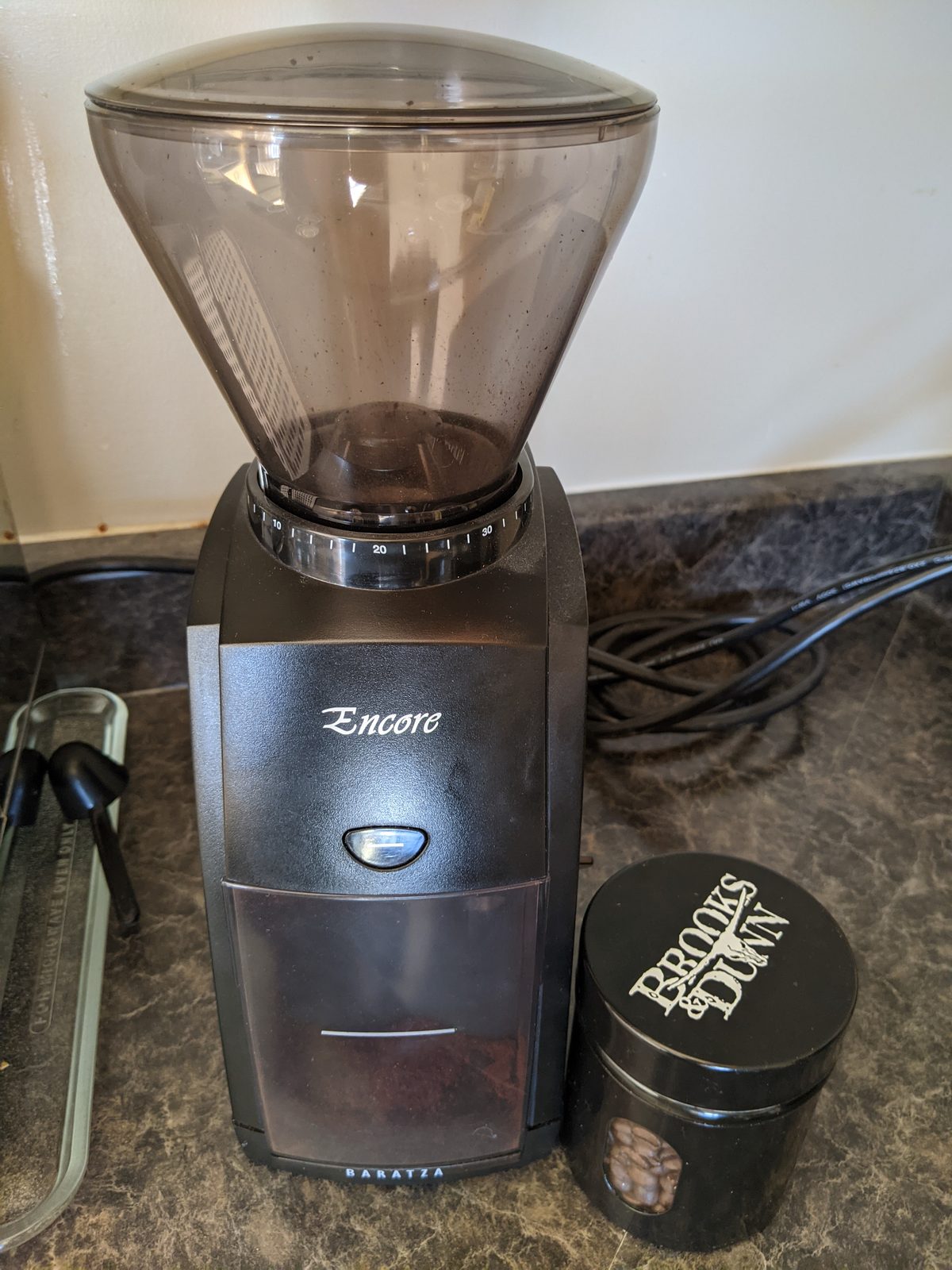
☕ Coffee Corner
Compiling, deploying, or waiting on a render? Here's what to brew while you wait.


🏠 Smart Home Picks
Same hobbyist care applied to your network and your front door.