Why Your Coffee Tastes Flat: It Is Probably the Water
Updated 2026-09-22
The uncomfortable arithmetic
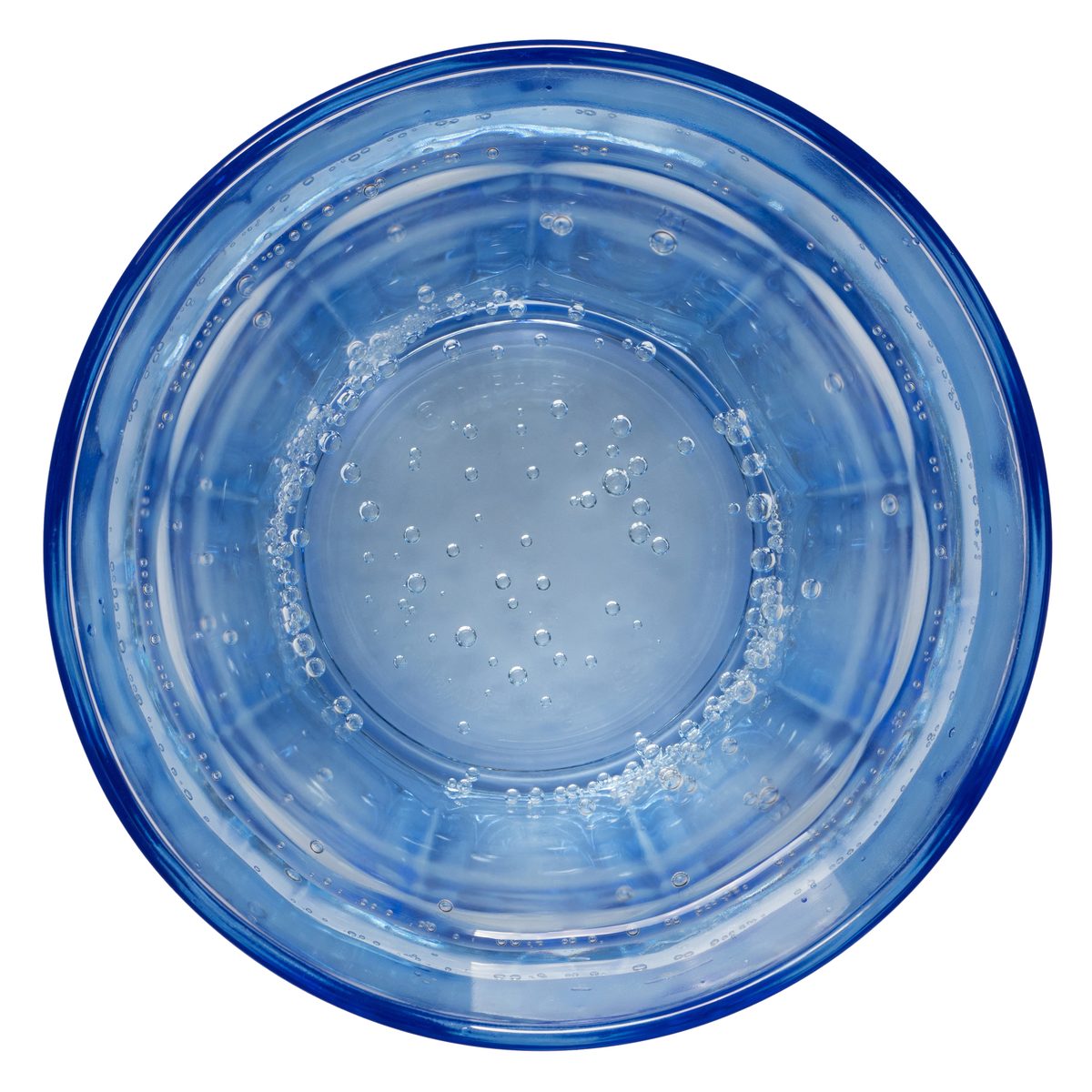
A brewed cup of coffee is roughly 98 percent water and about 2 percent dissolved coffee solids.
Sit with that for a moment. You have bought better beans. You have bought a grinder. You may have bought a scale, and possibly a kettle with a spout shaped like a swan’s neck. Meanwhile the overwhelming majority of what goes in the cup came out of a tap you have never thought about.
This is the cheapest upgrade in coffee, and almost nobody makes it.
What water actually does in a brew
Brewing is extraction: hot water dissolving compounds out of ground coffee. The minerals already dissolved in your water change how well it does that job.
Too soft, and the coffee tastes hollow. Distilled or heavily softened water is close to mineral-free, and minerals are part of what grabs onto flavor compounds and pulls them into solution. Brew with distilled water and the result is often described as flat, thin, or oddly lifeless. The beans are fine. The solvent is not doing its share.
Too hard, and it tastes dull and chalky. Very mineral-heavy water over-extracts some compounds while muting the bright, acidic notes that make a good coffee interesting. Everything arrives slightly muffled.
Chlorinated, and you taste chlorine. This one is not subtle once you notice it, and it is the single most common reason a perfectly good bag of beans tastes like a swimming pool.
The bit that surprises people
Water hardness is not a quality ranking. It is a variable.
Hard water is not “bad water”, and soft water is not “good water”. They are different solvents, and they produce different cups from identical beans. If you have ever had a coffee at a friend’s house that tasted noticeably unlike the same beans at home, and blamed their machine, it may well have been the postcode.
This also explains a frustration that sends people down expensive rabbit holes: you buy the beans a cafe uses, replicate the recipe, and it still does not taste like theirs. Serious cafes very often treat their water. You are solving for the wrong variable.
What to actually do, in order of effort
-
Filter it. A basic activated carbon filter, the sort in an ordinary jug, removes chlorine and improves most tap water considerably. This is the highest return per dollar in the whole hobby, and it takes no skill.
-
Find out what comes out of your tap. Water suppliers publish hardness information for their supply areas. Knowing whether you are in a hard or soft region tells you which direction to correct in, and stops you guessing.
-
If your water is very hard, a filter jug designed to reduce hardness rather than simply remove chlorine will do more. This also protects any machine you own, which brings us to the next section.
-
If your water is very soft or you use distilled, you need to add minerals back rather than take them out. Bottled water with a moderate mineral content is the simplest route. There are also mineral concentrates sold specifically for brewing, designed to be added to distilled water.
The reason your machine died
Limescale is the same story from the other end.
Hard water leaves mineral deposits inside anything that heats it. In a kettle you can see it. In an espresso machine or a drip brewer you cannot, and it accumulates on heating elements and in narrow water paths until the machine heats unevenly, flows badly, or stops.
Descaling is maintenance, not a repair, and the interval depends entirely on your water. Hard water area: more often than the manual says. Soft water area: less often. The manual cannot know which you have.
What not to bother with
Do not brew with distilled water alone. It is the one water that reliably makes coffee worse, and it is also aggressive toward machine components.
Do not assume bottled is better. Some bottled water is very high in minerals, which is excellent for drinking and poor for brewing. Read the label. The mineral content is printed on it, which is more than your tap offers.
Do not chase a perfect recipe before fixing the obvious. If your water smells of chlorine, no grinder will save you.
The short version
Coffee is mostly water, so water is an ingredient rather than a delivery mechanism. Filter it to remove chlorine. Find out whether your supply is hard or soft. Correct in that direction rather than guessing.
Then, and only then, start worrying about your grind size. Our grind size and water temperature reference covers the next variable once this one is handled.
🏠 Smart Home Picks
Same hobbyist care applied to your network and your front door.