Proxmox, TrueNAS, or Kubernetes for a homelab
Updated 2026-09-30
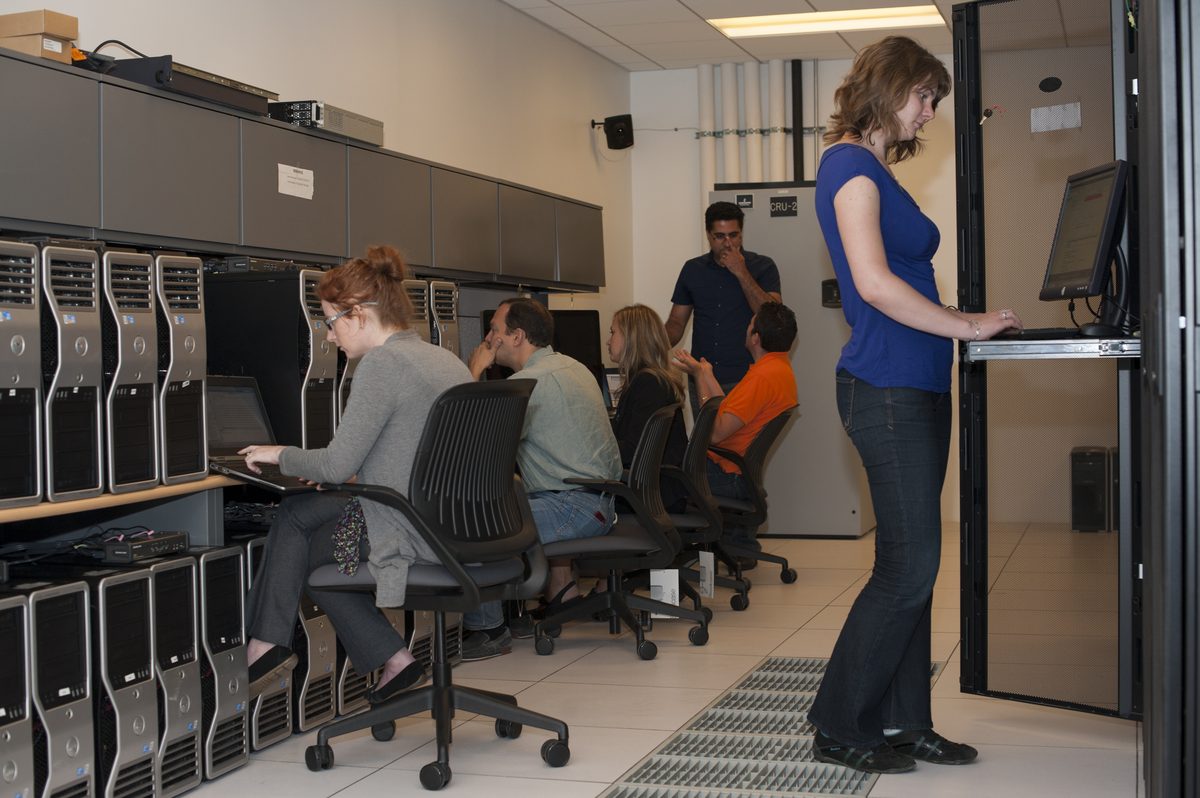
The honest starting point: these four platforms solve overlapping but genuinely different problems, and the right one depends more on what the homelab is actually for than on which is objectively best.
Proxmox VE
Proxmox is a bare-metal hypervisor that runs both full VMs and lightweight LXC containers under one management UI, and it’s the natural fit for a homelab that mixes both: a few VMs for things that genuinely need isolation, plus containers for everything lighter. Its clustering and automatic failover are built in and mature, and anyone coming from VMware will find the concepts familiar. The tradeoffs are real but modest: it carries more overhead than running bare Docker directly, and a paid support tier exists alongside the free community edition that most homelabs actually run.
A typical homelab setup: two to four nodes, a mix of VMs and LXC containers, with the physical RAM sized to whatever the mix of workloads actually needs.
TrueNAS SCALE
TrueNAS starts from storage rather than compute: it’s built around ZFS, and TrueNAS SCALE adds Kubernetes underneath (via k3s) so storage and containerized apps share the same box. For a homelab where storage is the primary purpose and containers are secondary, that ordering makes sense; ZFS’s own feature set (snapshots, checksums, pooling) is genuinely excellent and worth building around directly. The tradeoffs: ZFS has a real learning curve if it’s new, the resource footprint runs higher than a lean container-only setup, and the ecosystem is somewhat opinionated about how things get done.
A typical homelab setup: one or two nodes with a large disk array, doing double duty as network storage and an app host.
Kubernetes (k3s or k0s)
Running Kubernetes at home, usually through a lightweight distribution
like k3s, is the choice for someone who specifically wants container
orchestration skills that transfer directly to production environments,
or who’s running enough containers that manual orchestration is already
painful. It’s genuinely lighter than a full Kubernetes install, supports
multi-node clustering and failover natively, and fits a GitOps-style
declarative workflow well. The real cost is the learning curve: it’s the
steepest of the four options here, has no native web UI (everything goes
through kubectl unless a separate dashboard is added), and is
legitimately overkill for a handful of containers on one machine.
A typical homelab setup: three or more nodes running a genuinely large number of small services, where the orchestration overhead pays for itself.
Bare Docker and Docker Compose
Running Docker directly, with Compose files for multi-container setups, is the lowest-overhead and easiest option to learn, and it’s the right starting point for someone new to containers or prototyping something quickly. The real limitation is that it stops there: no native clustering, no built-in high availability, and orchestration at any real scale becomes manual work. It also doesn’t teach the patterns a production Kubernetes environment actually uses, which matters if that’s an eventual goal.
A typical homelab setup: a single node running a modest number of containers, without a need for clustering or failover.
How to choose
Start from node count and workload shape, not a platform’s reputation. A single machine points toward bare Docker or a single-node k3s install. Two or three nodes work well with either Proxmox or k3s, depending on whether the workload is mixed VMs-and-containers or containers-only. Four or more nodes is where Kubernetes or Proxmox clustering genuinely starts to pay for its own complexity.
If the workload is storage-first, a NAS with some apps layered on top, TrueNAS SCALE is built for exactly that. If it’s a genuine mix of VMs and containers, Proxmox fits naturally. If it’s containers only, choose between k3s and bare Docker based on scale: bare Docker below a handful of containers, k3s once orchestration starts earning its complexity.
Experience level matters too. Someone new to homelab infrastructure is usually better served starting with bare Docker or Proxmox, both of which have a gentler learning curve, and moving to k3s or TrueNAS once the fundamentals are comfortable.
Running more than one platform
Many homelab setups end up running more than one of these at once, and that’s a legitimate design, not a compromise: a Proxmox VM dedicated to running k3s is a common way to learn Kubernetes without dedicating separate hardware to it. TrueNAS handling storage while a separate node runs bare Docker keeps storage isolated from lighter app workloads. Proxmox VMs for anything state-heavy, alongside Docker Compose for microservices, splits the two concerns cleanly.
Start with one platform that matches the immediate need, and add a second only once a real gap shows up. Running all four from day one adds complexity a homelab rarely needs yet.
☕ Coffee Corner
Compiling, deploying, or waiting on a render? Here's what to brew while you wait.


🏠 Smart Home Picks
Same hobbyist care applied to your network and your front door.