AMD Ryzen 7 5800X3D

Bottom Line
Still the single best reason to not switch platforms if you're already on AM4. For a from-scratch build, the 7800X3D below costs about the same once you account for what a DDR5 AM5 board actually costs, and wins on every performance axis, so this one is specifically an upgrade-path chip, not a first choice.
Pros & Cons
✅ Pros
- Drop-in upgrade for any existing AM4 motherboard, no platform change
- 96 MB of 3D V-Cache still competitive for gaming despite the older Zen 3 core
- Lower power draw (105W) than the AM5 X3D chips, easier cooling
- Mature, stable AM4 platform with cheap DDR4 memory
❌ Cons
- AM4 is end-of-life; no future upgrade path past this chip on the same board
- Loses to every AM5 X3D chip in this roundup on raw gaming performance
- 8 cores can feel tight for heavy multitasking alongside gaming
Best For
- Anyone already on an AM4 motherboard looking for the cheapest real gaming upgrade
- Budget gaming builds that don't need DDR5
- Not the pick if you're building a new platform from scratch: put that money toward AM5
Performance & Real-World Usage
Specifications
The 5800X3D (Zen 3, 2022) was AMD’s first consumer 3D V-Cache chip, and it’s the reason the strategy exists at all: stacking an extra 64MB of L3 cache directly on top of the compute die let it beat far higher-clocked chips in games, where cache hit rate matters more than raw frequency. Everything in this roundup (7800X3D, 9800X3D, 9950X3D) is the same idea refined across two more generations.
Where this one still fits in 2026
If you’re not already on AM4, skip straight to the 7800X3D or 9800X3D below: both outperform this chip and a new build needs a new board either way, so there’s no cost argument for starting on a discontinued platform. This chip’s entire case is upgrade economics for people who already own an AM4 board.
🛒 Buy the Gear in This Guide
As an Amazon Associate we earn from qualifying purchases, at no extra cost to you. Prices and availability are shown on Amazon's own product page, not here, since they change constantly.
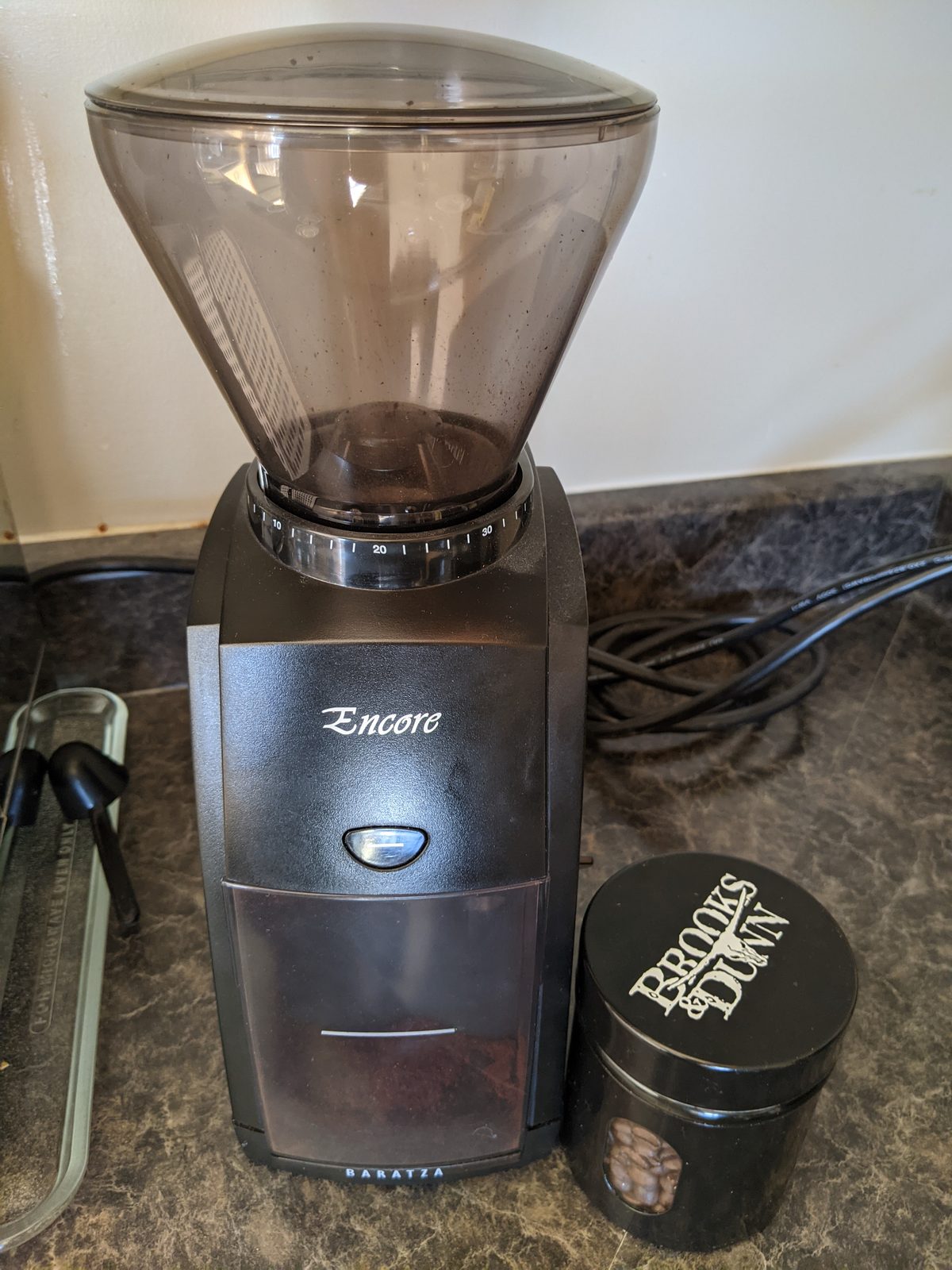
☕ Coffee Corner
Compiling, deploying, or waiting on a render? Here's what to brew while you wait.


🏠 Smart Home Picks
Same hobbyist care applied to your network and your front door.