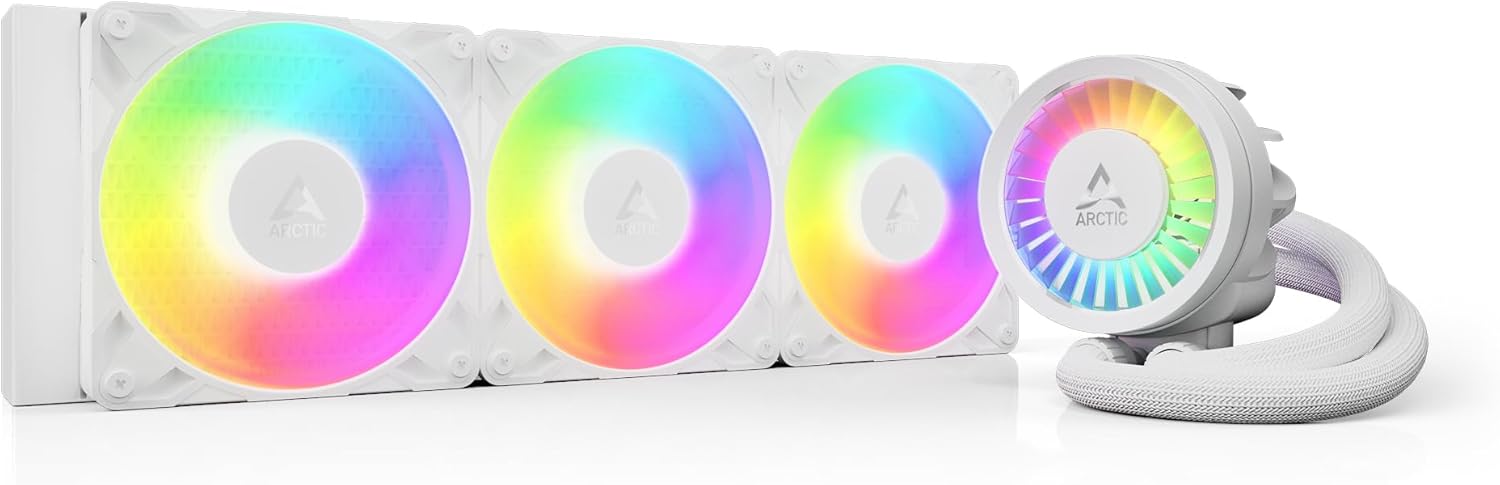
Arctic Liquid Freezer III Pro 360 A-RGB
Bottom Line
The AIO to reach for specifically when a flagship CPU's sustained thermal load genuinely needs 360mm of radiator, not as a default upgrade over a good air tower.
Pros & Cons
✅ Pros
- Integrated VRM fan: a real, differentiated feature, not just marketing
- 360mm radiator handles the highest-TDP chips in this roundup
- A-RGB fans included, no separate lighting purchase needed
- Consistently the best value AIO in independent cooler benchmarks
❌ Cons
- Requires real case clearance for a 360mm radiator: verify before buying
- A pump is a wear part; an air tower has no equivalent failure mode
- Tubing routing can be fiddly in cases without a lot of front/top space
Best For
- The highest-TDP chips in this roundup (9950X3D and similar) under sustained load
- Builds where you want RGB fans included rather than bought separately
- Not necessary for a single mid-range chip: the Noctua NH-D15 above handles that with zero pump risk
Performance & Real-World Usage
Specifications
A high-TDP chip under sustained load is where this cooler’s headroom over a good air tower actually earns its price. Below that it mostly doesn’t, and our workstation guide explains why steady, quiet cooling beats peak headroom for long jobs.
Why the VRM fan actually matters
Motherboard VRMs convert 12V power down to what the CPU actually needs, and they generate real heat doing it, heat that a case’s normal airflow doesn’t always reach once the front and top are occupied by a 360mm radiator’s own fans. Under sustained high load, an overheating VRM can throttle the CPU indirectly even when the CPU’s own temperature looks fine, which is the specific failure mode this cooler’s integrated VRM fan is built to prevent.
🛒 Buy the Gear in This Guide
As an Amazon Associate we earn from qualifying purchases, at no extra cost to you. Prices and availability are shown on Amazon's own product page, not here, since they change constantly.
☕ Coffee Corner
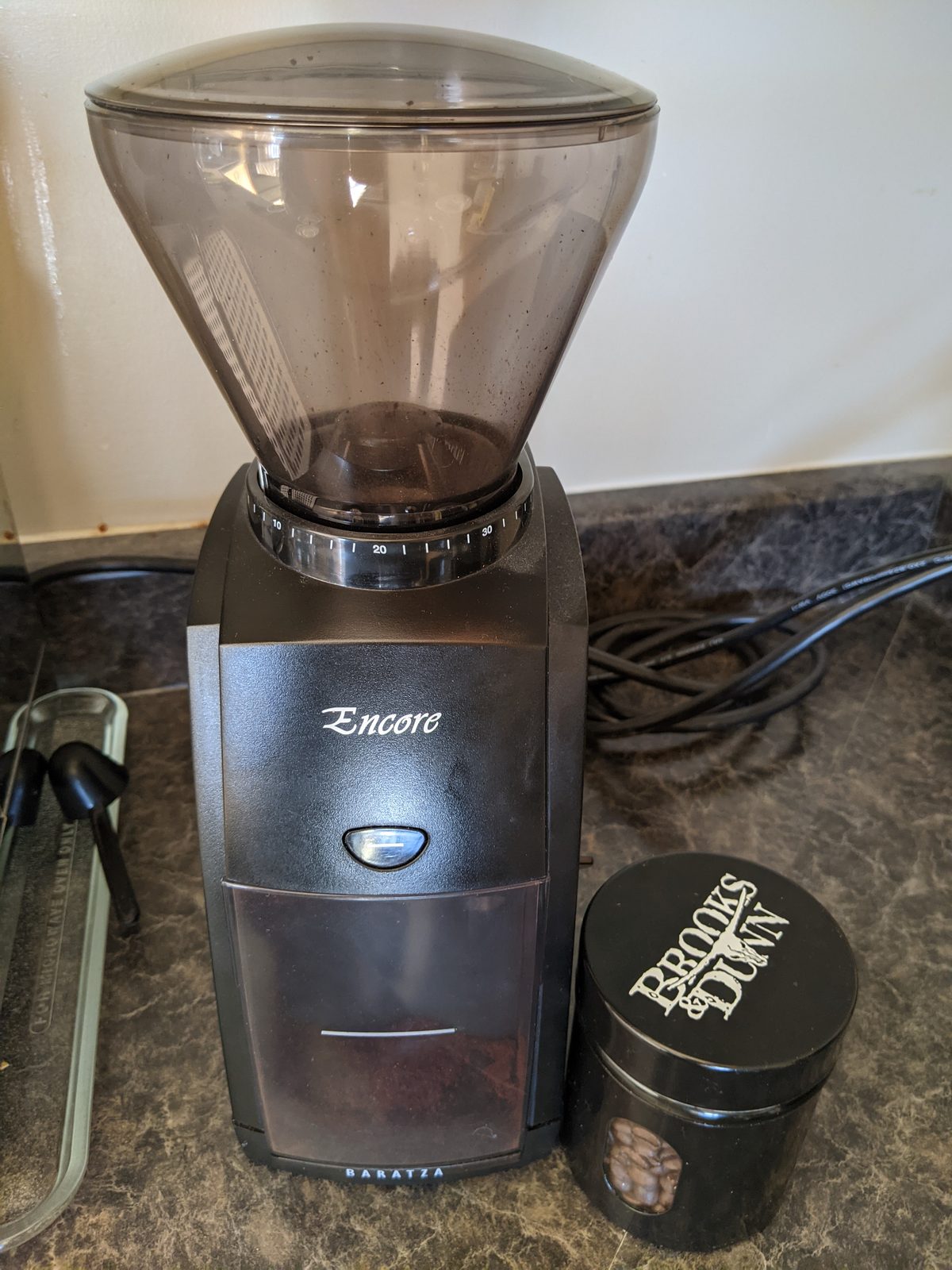
Compiling, deploying, or waiting on a render? Here's what to brew while you wait.
🏠 Smart Home Picks
Same hobbyist care applied to your network and your front door.