ASUS ROG Strix B650E-I Gaming WiFi

Bottom Line
The right board specifically for a compact build, not a default pick otherwise. Pair it with a single-CCD gaming CPU like the 7800X3D or 9800X3D, not a power-hungry flagship, given the tighter cooling clearance ITX cases have.
Pros & Cons
✅ Pros
- Full PCIe 5.0 and current AM5 feature set in a genuinely compact footprint
- WiFi 6E and 2.5G LAN built in, no separate networking card needed
- Aura Sync RGB for lighting consistency with other ASUS components
- Enables a real ITX gaming build with a full-size desktop GPU
❌ Cons
- Price premium over an equivalent-tier ATX board
- Single PCIe x16 slot: no room for expansion cards
- VRM cooling is tighter in ITX cases; verify case airflow before pairing with a hot CPU
Best For
- Small form factor gaming builds that still want a full desktop GPU
- Desk setups or tight spaces where a full ATX tower doesn't fit
- Not the pick for a dual-CCD flagship build: pair a single-CCD X3D chip instead
Performance & Real-World Usage
Specifications
Pair with the Corsair SF750 SFX power supply for a genuinely compact build: both are engineered specifically to fit the smaller footprint an ITX case demands, rather than being full-size components squeezed in.
The real ITX tradeoff
A Mini-ITX board isn’t a worse board so much as a differently-optimized one: one PCIe x16 slot is enough for a GPU (which is the only card most gaming builds actually need), but zero room for a capture card, extra NIC, or additional storage controller later. If a build’s future upgrade path might need a second expansion card, a full ATX board is the safer choice even in a mid-tower case with room to spare.
🛒 Buy the Gear in This Guide
As an Amazon Associate we earn from qualifying purchases, at no extra cost to you. Prices and availability are shown on Amazon's own product page, not here, since they change constantly.
☕ Coffee Corner
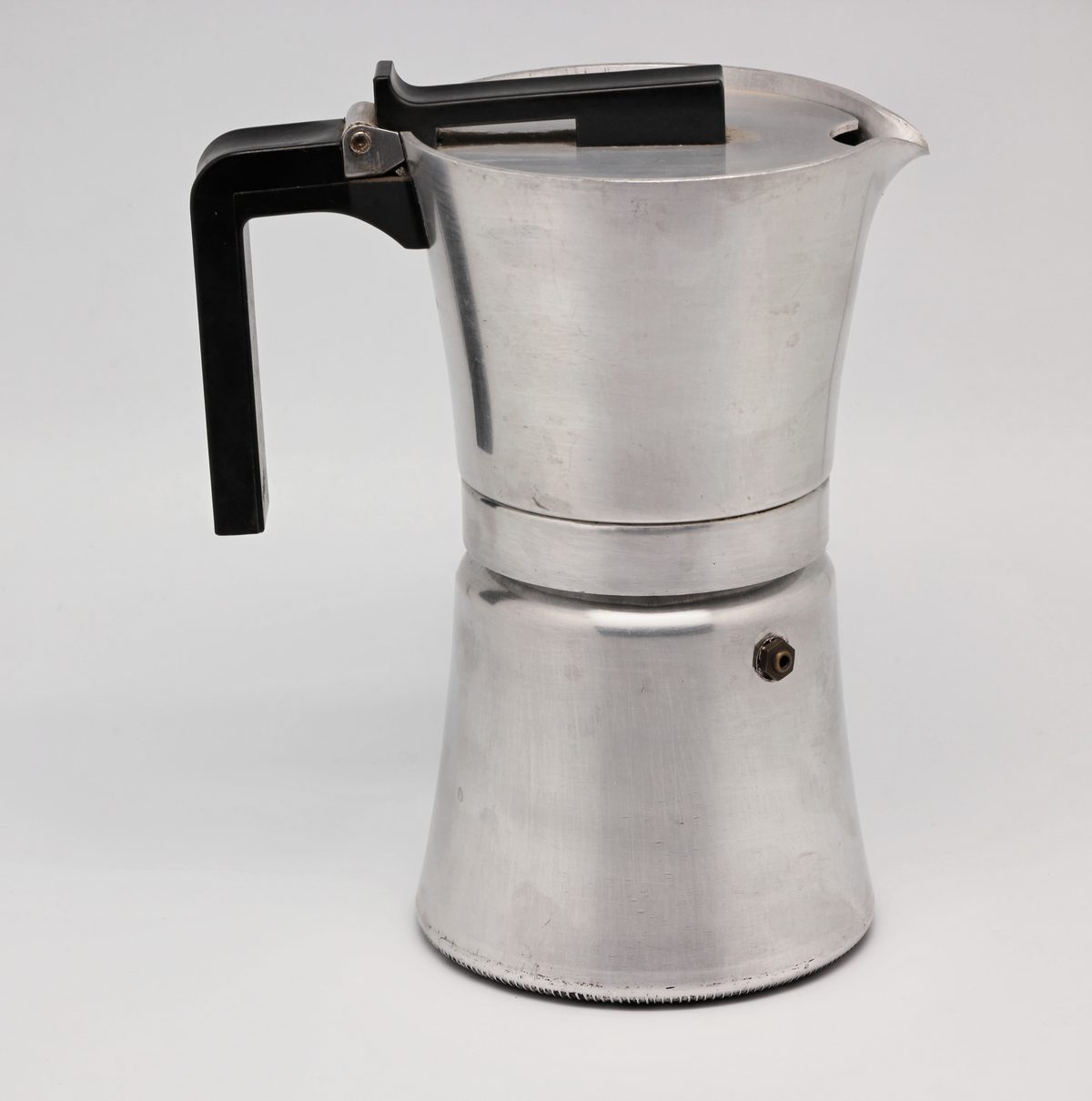
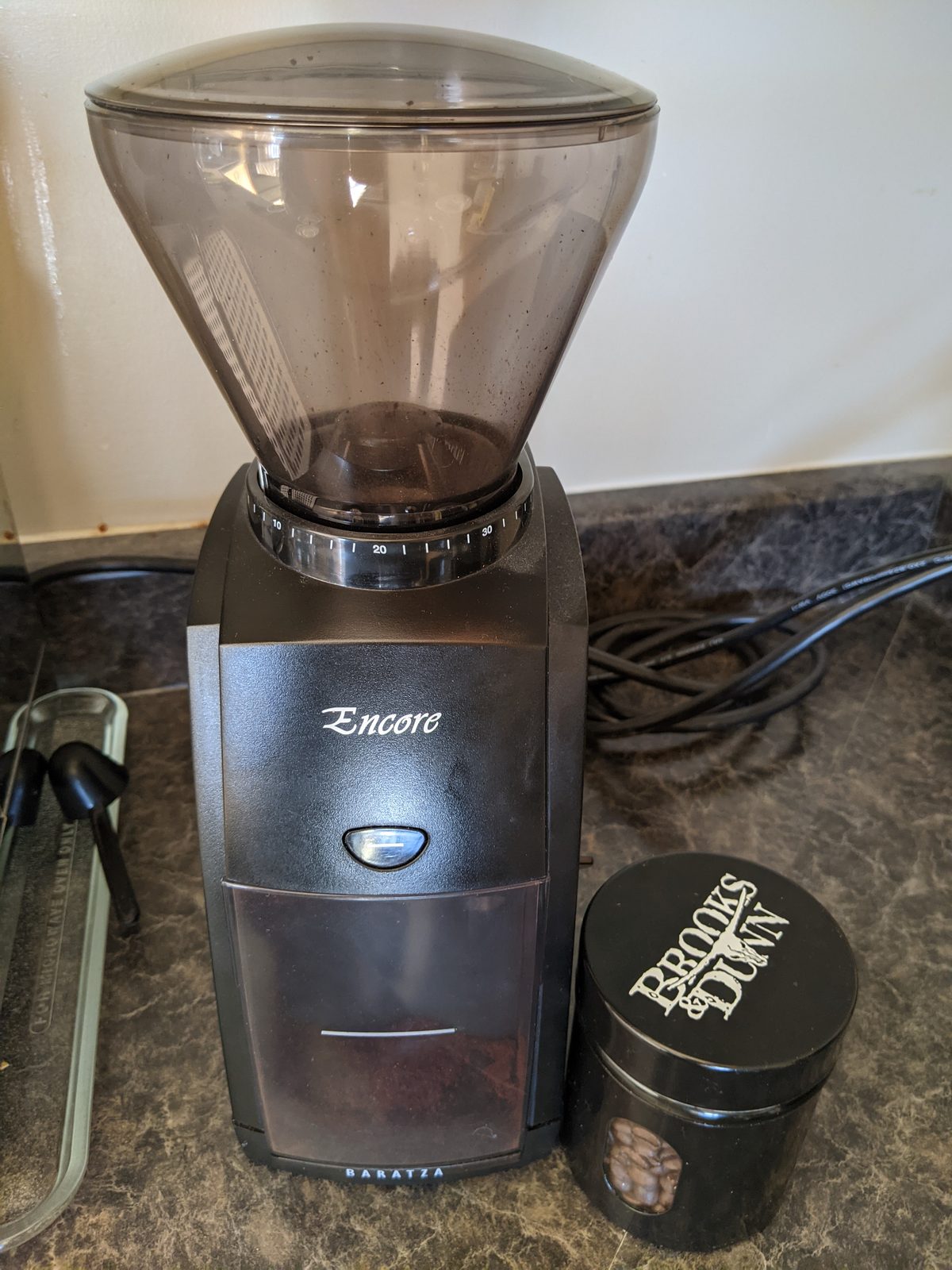
Compiling, deploying, or waiting on a render? Here's what to brew while you wait.
🏠 Smart Home Picks
Same hobbyist care applied to your network and your front door.