AMD Ryzen 9 7950X3D
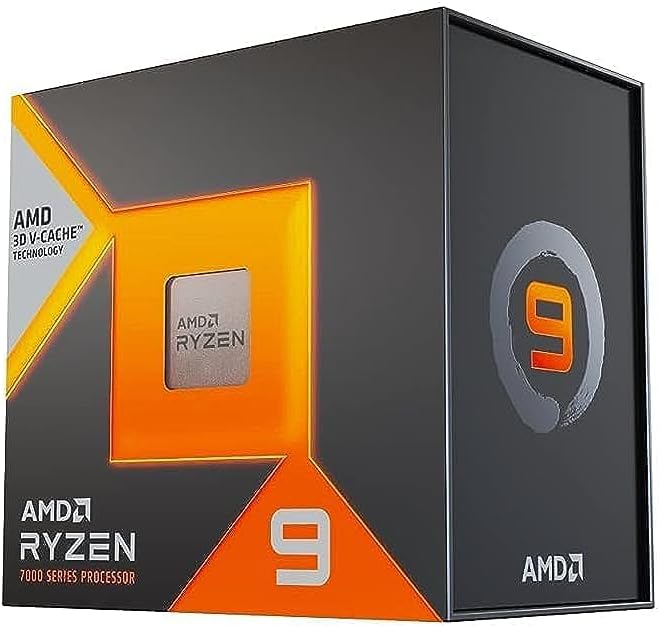
Bottom Line
Buy it for the V-Cache CCD's gaming advantage, and the 16 cores mean it isn't a one-trick chip outside games either. For a workstation build that never games, the core-count-per-dollar math points elsewhere.
Pros & Cons
✅ Pros
- 3D V-Cache is a real, measurable gaming advantage in cache-sensitive titles
- Lower TDP than Intel's flagship 14900K (120W vs 253W max turbo)
- 16 cores gives real headroom beyond gaming, for streaming or light rendering
- AM5 socket has a longer platform runway than an outgoing socket
❌ Cons
- Fewer cores than Intel's 24-core i9 flagship
- The scheduler has to route work to the right CCD, which occasionally needs a manual nudge in edge cases
- Overkill for a build that isn't gaming or content-creation focused
Best For
- High-refresh 1440p or 4K gaming
- Gaming with light streaming on the side
- A workstation build where gaming still matters some of the time
Performance & Real-World Usage
Specifications
AMD Ryzen 9 7950X3D: two chiplets, two jobs
Most CPUs have one job: run everything as fast as the silicon allows. The 7950X3D has two chiplets doing genuinely different jobs. One carries AMD’s stacked 3D V-Cache, 96MB of it, tuned for the kind of workload that benefits from a large, fast cache more than raw clock speed, which is exactly the shape of most game engines. The other CCD skips the extra cache and runs at higher clocks instead, tuned for everything else. 128MB of total L3 across the two is a real, unusual amount for a consumer chip.
What the split actually buys a gamer
Games are disproportionately cache-sensitive compared to most other workloads: a big enough cache means more of the working data set stays close to the core instead of round-tripping to system memory, and that shows up as more consistent frame times, not just a bigger number. That’s the real case for a V-Cache chip over a same-generation part without one, more than any single benchmark figure.
The tradeoff is the CCD split itself: the chip’s scheduler decides which threads go to which chiplet, and while AMD has iterated the logic across several driver and firmware updates, an occasional workload still benefits from being manually pinned to the V-Cache CCD rather than left to the default. It isn’t a dealbreaker, just a real edge case worth knowing about rather than discovering mid-troubleshoot.
Power and platform
At 120W TDP, this chip runs meaningfully cooler than Intel’s competing i9-14900K, which is rated for up to 253W under turbo load. That matters for case airflow and cooler choice in a build that isn’t purpose-built around a power-hungry flagship. AM5 also has a longer committed upgrade runway ahead of it than a socket nearing end of life, which is a real consideration for anyone planning to reuse the motherboard for a future CPU upgrade.
Where it belongs
A gaming build, first and foremost, especially at high refresh rates where frame-time consistency matters as much as the average number. The 16 cores mean it’s not purely a one-trick gaming chip either: light streaming, content creation, or a workstation that spends real time gaming too all fit. A pure workstation build that never games is better served by a chip with more cores and no V-Cache premium.
Verdict
Buy it for gaming, at any resolution, where the V-Cache CCD’s advantage is real and the 16 cores keep it capable outside games too. Skip it for a workstation-only build; that money buys more cores elsewhere without paying for cache this build won’t use.
🛒 Buy the Gear in This Guide
As an Amazon Associate we earn from qualifying purchases, at no extra cost to you. Prices and availability are shown on Amazon's own product page, not here, since they change constantly.
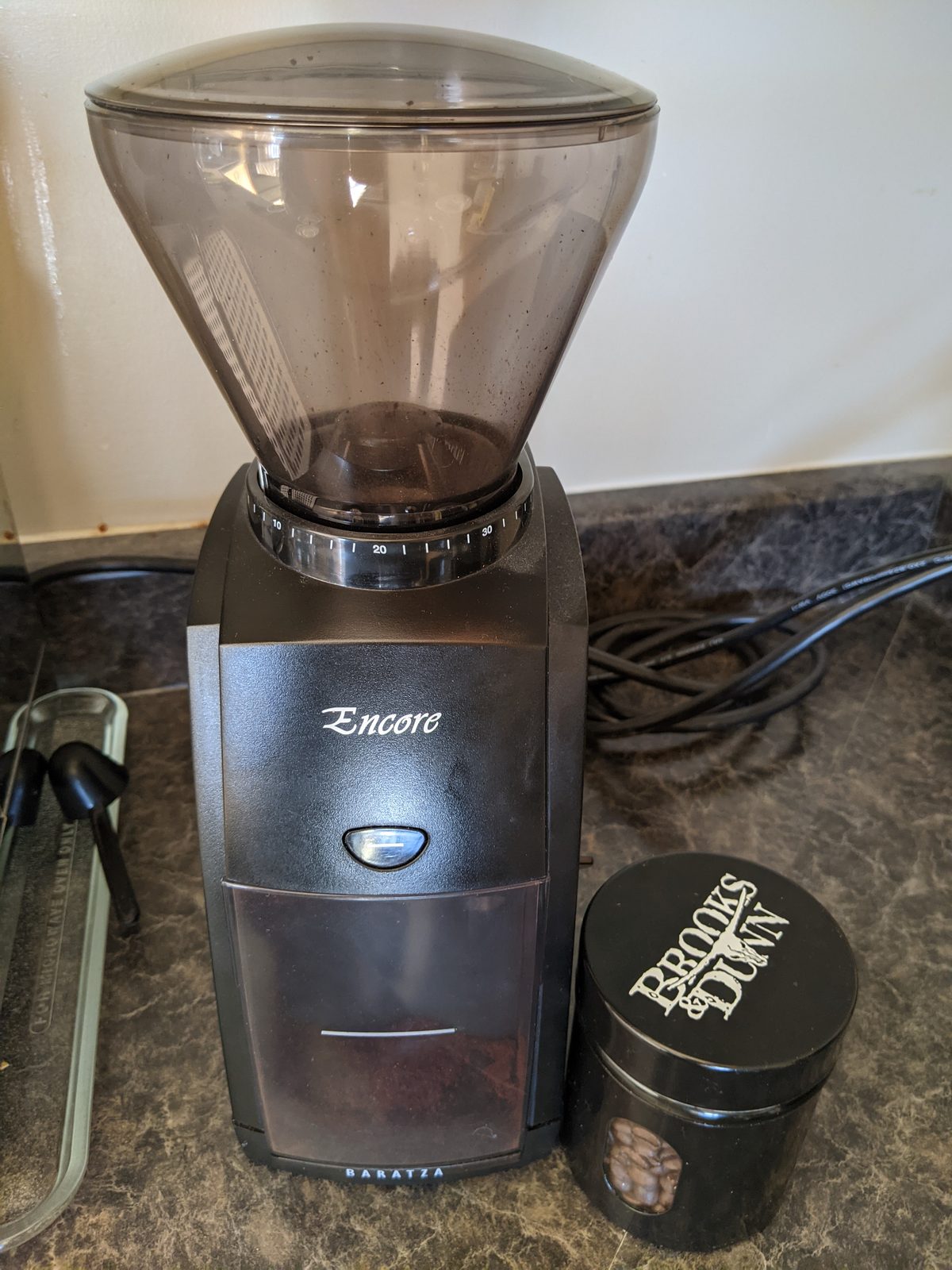
☕ Coffee Corner
Compiling, deploying, or waiting on a render? Here's what to brew while you wait.


🏠 Smart Home Picks
Same hobbyist care applied to your network and your front door.